Sightseeing in Hangzhou
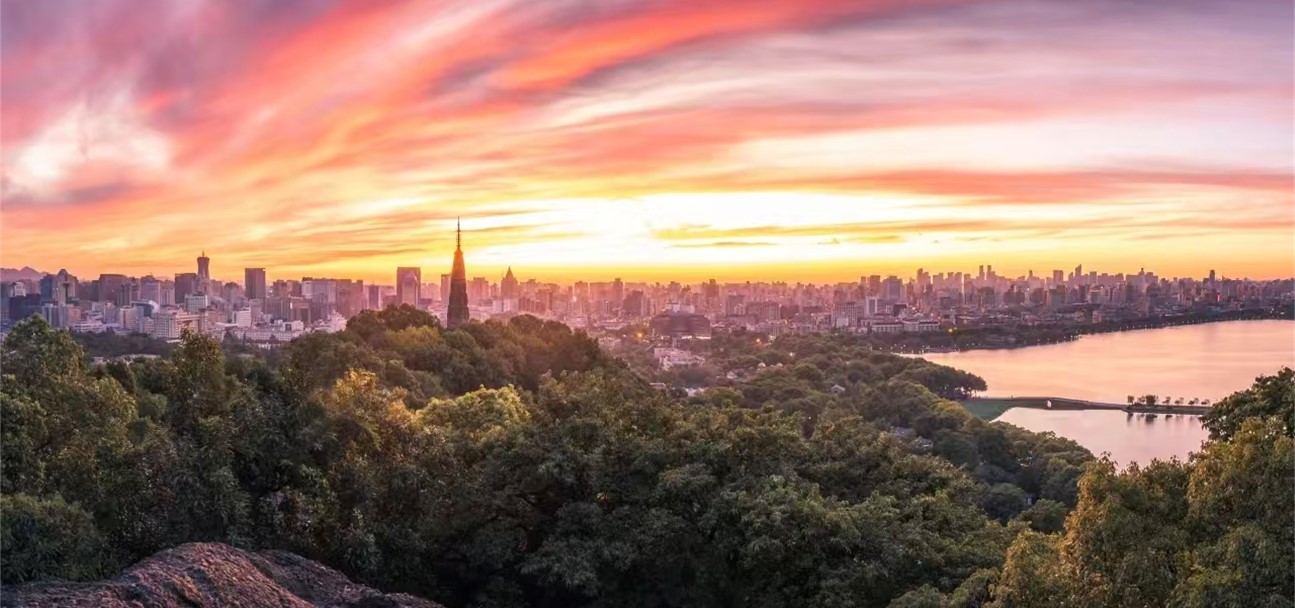
Due to its beautiful scenery, Hangzhou is known as the “heaven on earth”. It has long been eulogized by poets: “Up above there is Paradise, and below are Suzhou and Hangzhou”. Marco Polo also declared Hangzhou “the City of Heaven, the most beautiful and magnificent in the world”. The centerpiece of Hangzhou is gorgeous West Lake and most of the city’s attractions are spreading around it. Below are some facts and inputs illustrating why Hangzhou attracts millions of domestic and foreign tourists every year.
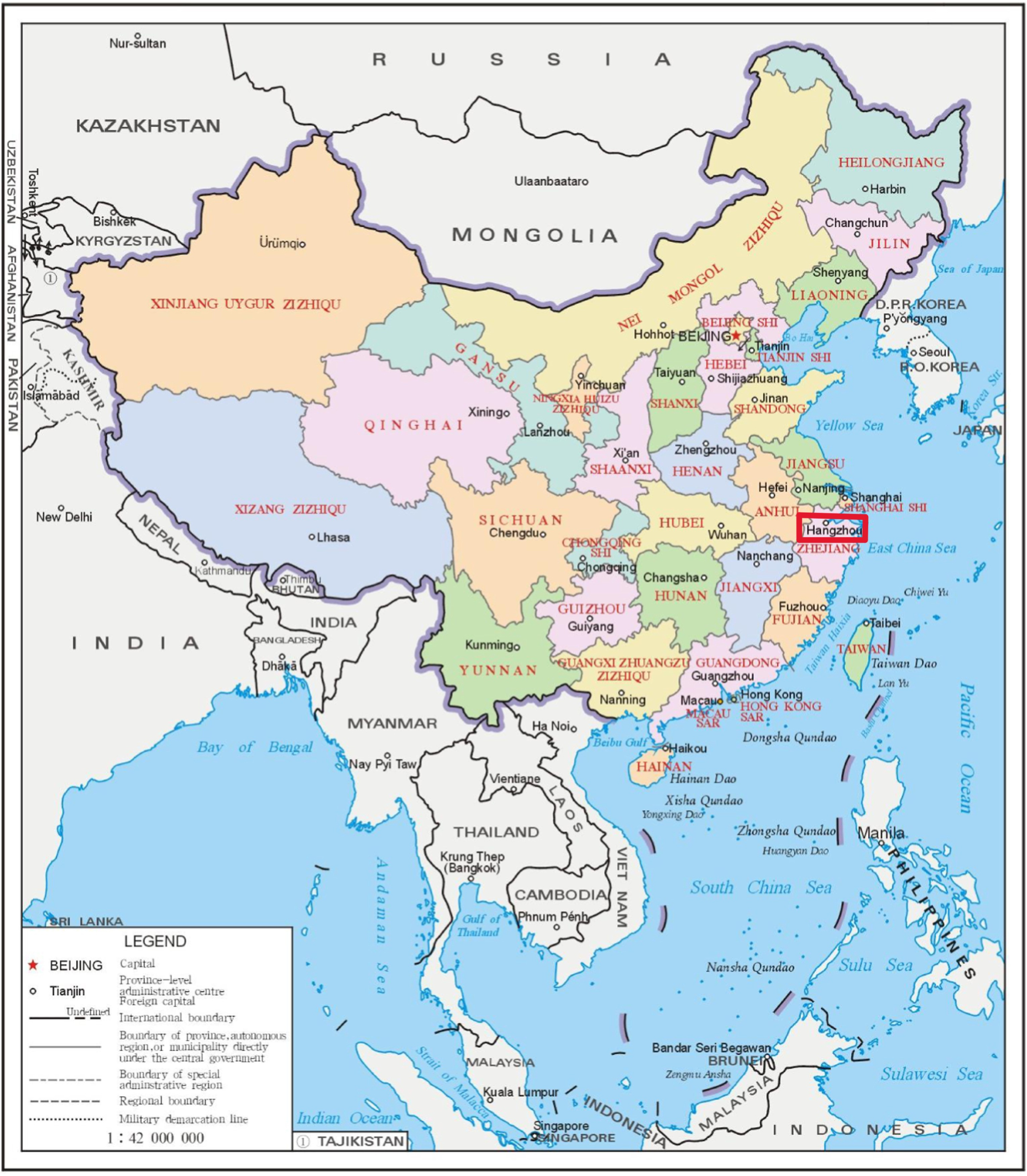
- Located at southeast coast of China, near to Shanghai (1h by train)
- The capital of Zhejiang Province
- 16,850 square kilometers
- 12,624 million people
- UN Habitat Award
- Top 10 most economically dynamic cities in China
- International tourism Gold Star Award
- One of most liveable and business friendly cities in China
- Millennium-old capital boasting three World Heritage Sites (West Lake, the Grand Canal, and Liangzhu Ancient City)
- Frontrunner in the digital economy in China
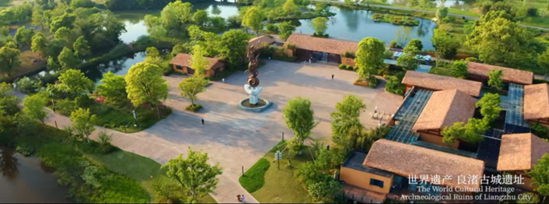
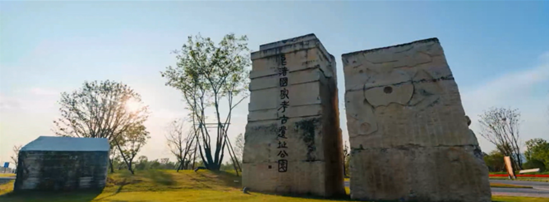
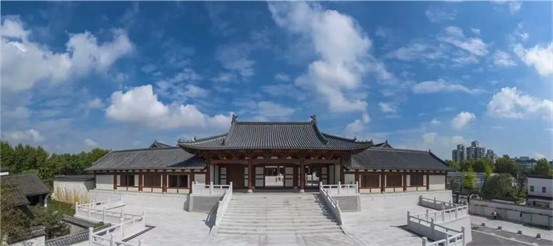
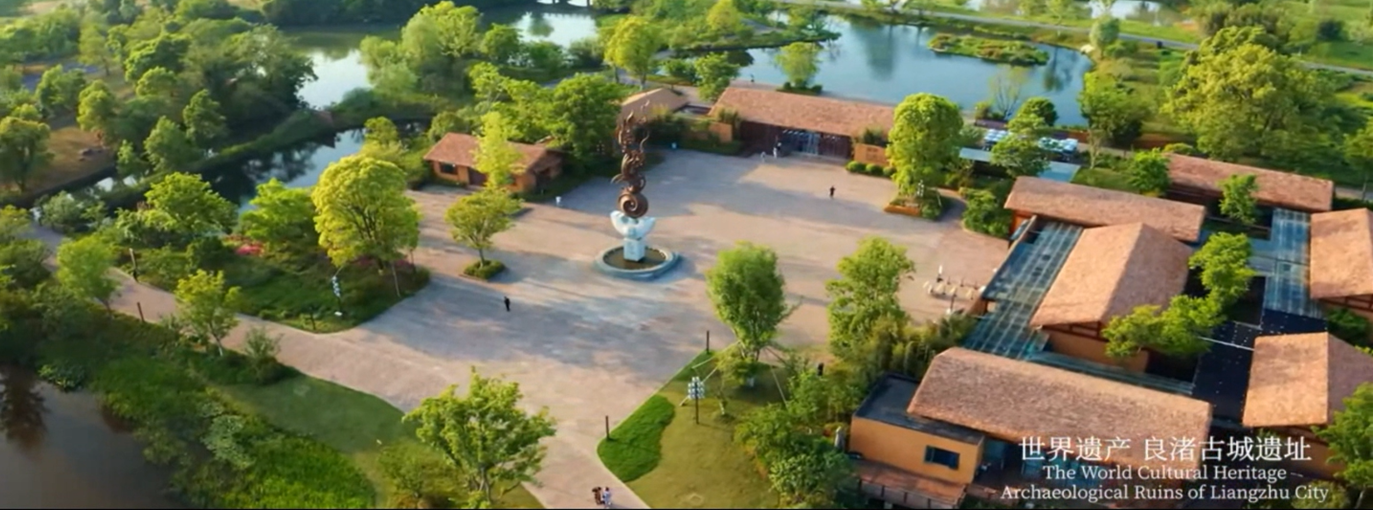
Liangzhu Ancient City (World Heritage site)
Liangzhu Ancient City, a UNESCO World Heritage site, rewrites history as a 5,300-year-old Chinese metropolis that unveiled the dawn of civilization.
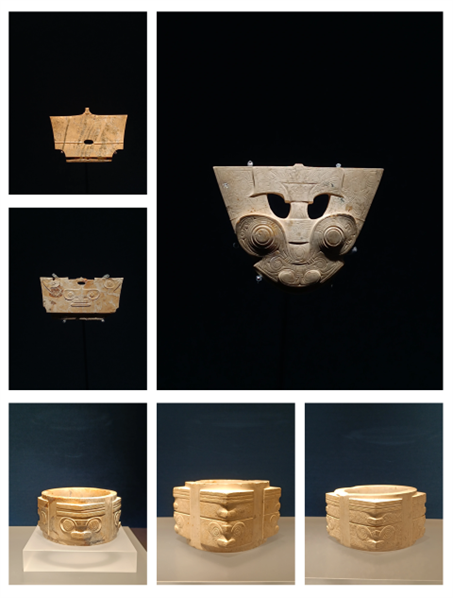
Its groundbreaking water conservancy system, one of the earliest ever discovered, and majestic urban planning testify to a lost Neolithic kingdom’s astonishing achievement. At its spiritual core was a sophisticated jade culture, where exquisite ritual objects embodied a sacred belief system and defined social order. More than a city, Liangzhu stands as the pinnacle of a jade-worshipping civilization, offering tangible proof of China’s 5,000-year continuous history.
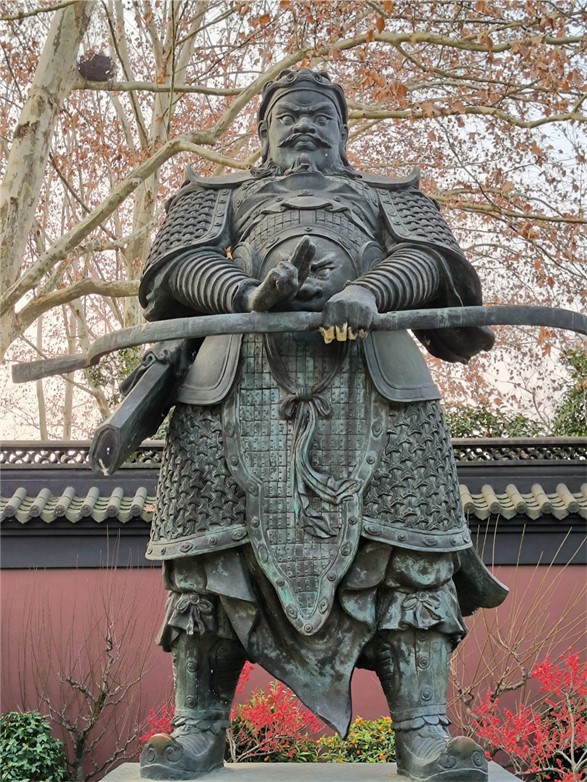
The capital of Wuyue Kingdom (907-978)
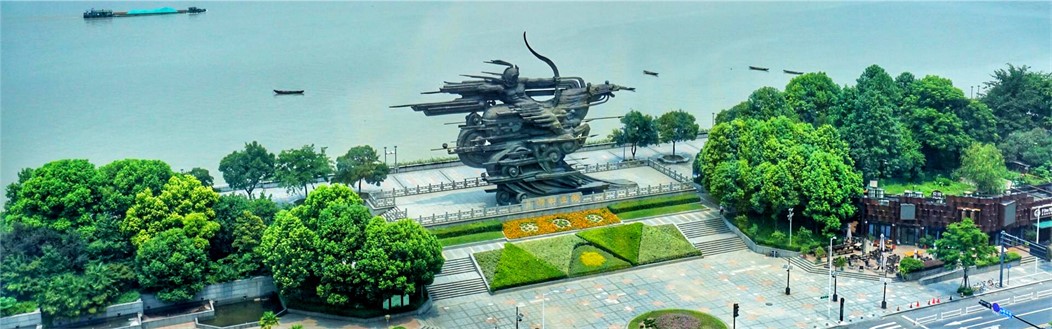
During the tumultuous Five Dynasties and Ten Kingdoms period, the Wuyue Kingdom (907-978) emerged as a beacon of stability and prosperity. Its capital was established in Qiantang, the city known today as Hangzhou. The kingdom was ruled by the Qian Dynasty, most notably by its founding king, Qian Liu. He is credited with massively expanding and fortifying the city’s walls and its vital seawall, laying the groundwork for its future grandeur. Unlike many contemporaneous states that engaged in constant warfare, Wuyue pursued a pragmatic policy of peace and diplomacy with its neighbors, ensuring its people’s safety. The stability and prosperity fostered by the Wuyue Kingdom directly paved the way for Hangzhou to become the spectacular capital of the Southern Song Dynasty and the “Paradise on Earth” celebrated for centuries to come.
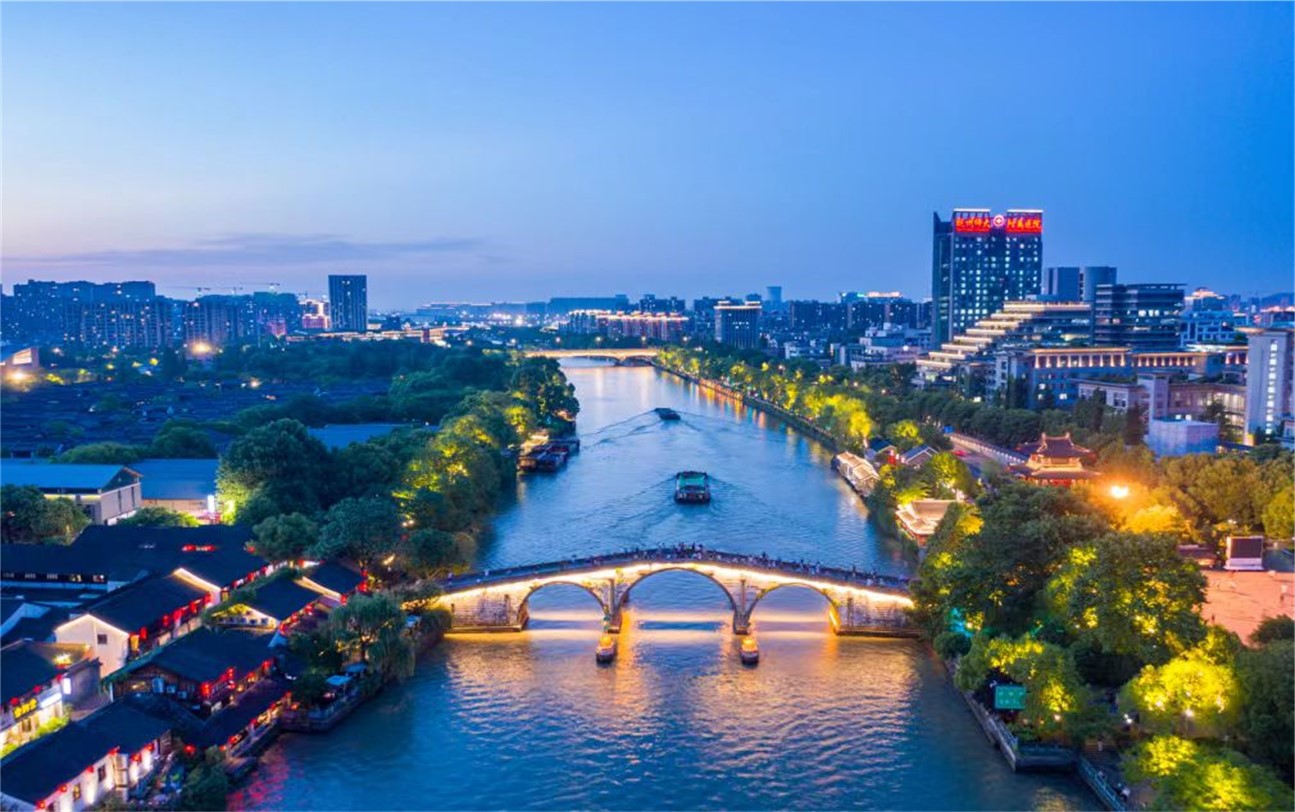
The Grand Canal (World Heritage Site)
The Grand Canal, a UNESCO World Heritage Site, is the world’s longest and oldest artificial waterway, with a history spanning over 2,500 years. In Hangzhou, it showcases the city’s rich cultural heritage through well-preserved historic districts like Xianghe Street and iconic landmarks such as Gongchen Bridge. This vital waterway played a crucial role in ancient China’s economic and cultural exchanges, linking the north and south of the country. Today, it remains a symbol of Hangzhou’s historical significance and a testament to human ingenuity in hydraulic engineering.
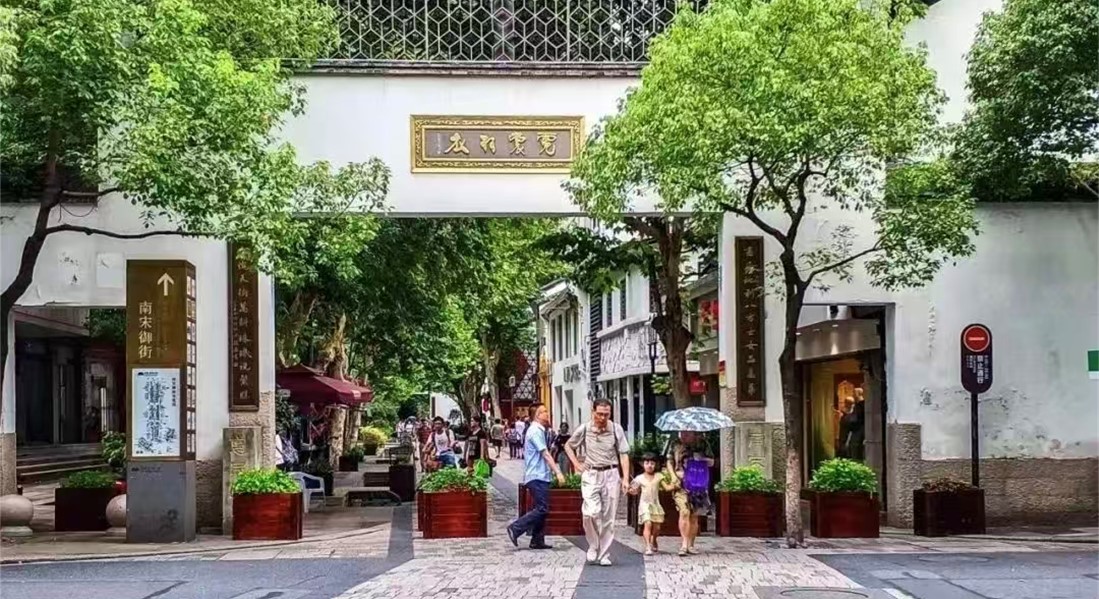
The Southern Song Dynasty (1138-1279)
Southern Song Imperial Street, located in Hangzhou, is a historic and cultural landmark that dates back to the Southern Song Dynasty (1127–1279). Originally the main avenue leading to the imperial palace, it served as the political and commercial center of Lin’an, the capital of the Southern Song. Stretching several kilometers, the street was once lined with government offices, markets, and residences, reflecting the prosperity of the era.
The newest history of Hangzhou and Scenery
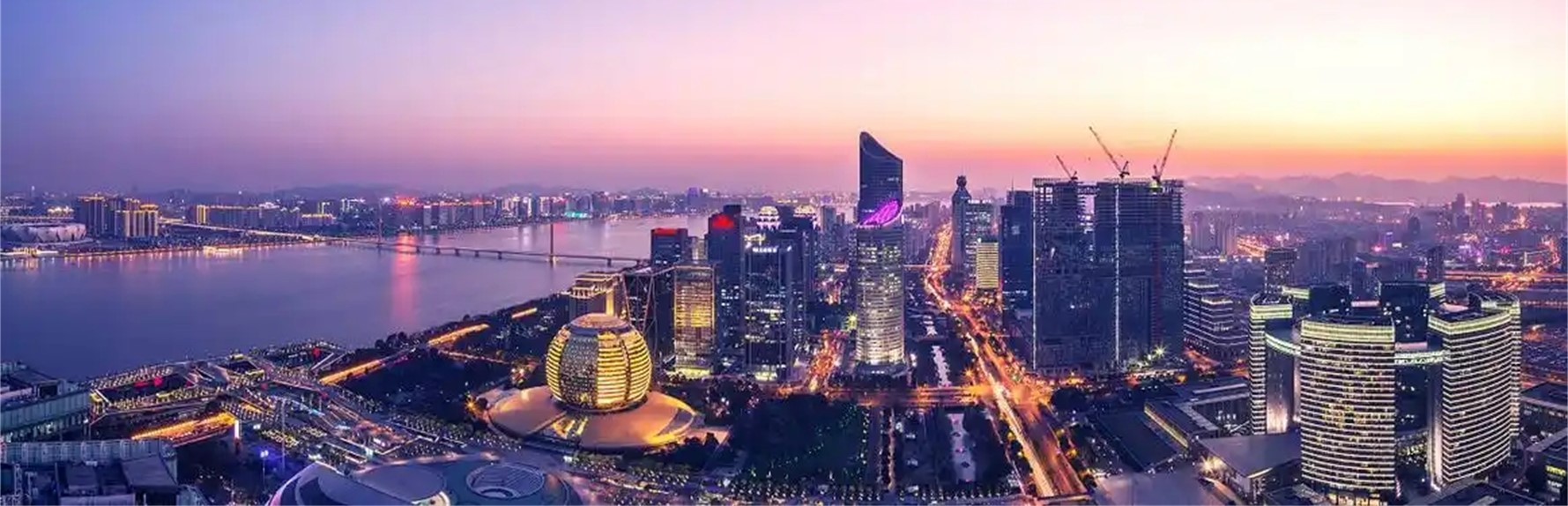
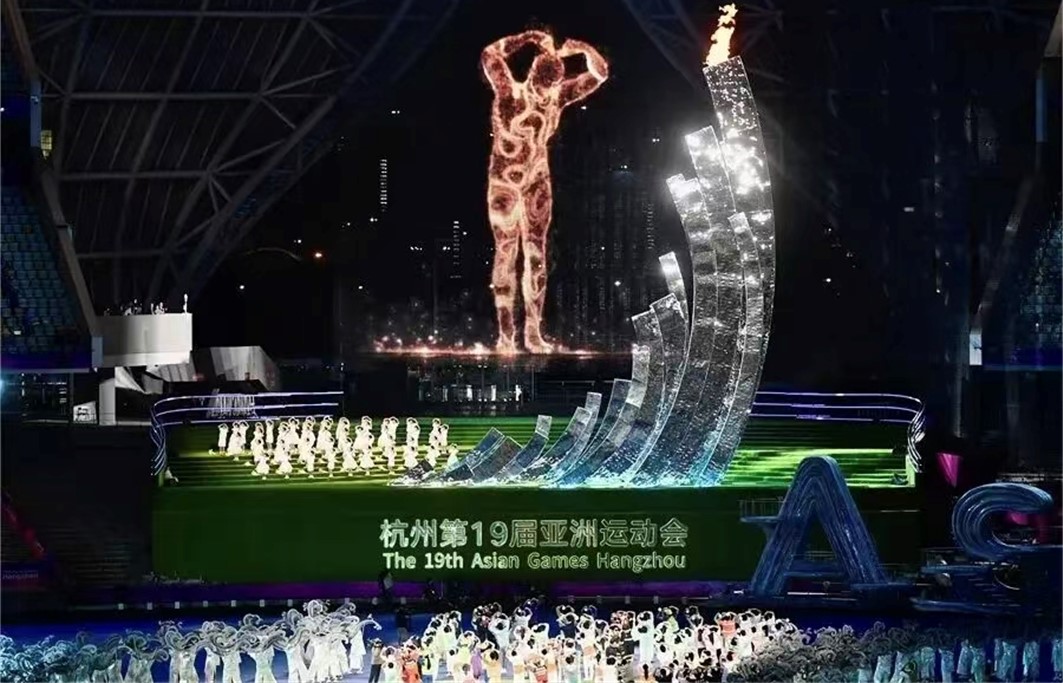
The 19th Asian Games (2023)
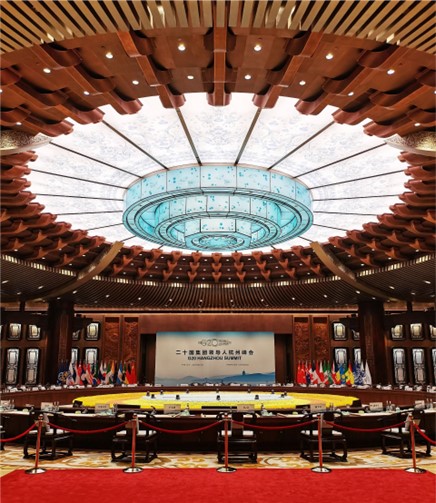
G20 Summit (Sept 4-5, 2016)
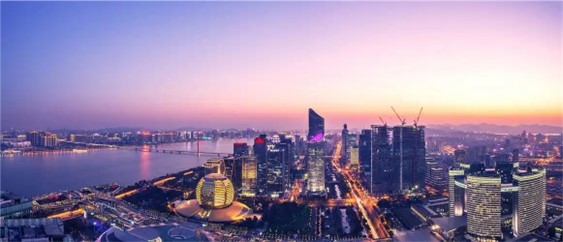
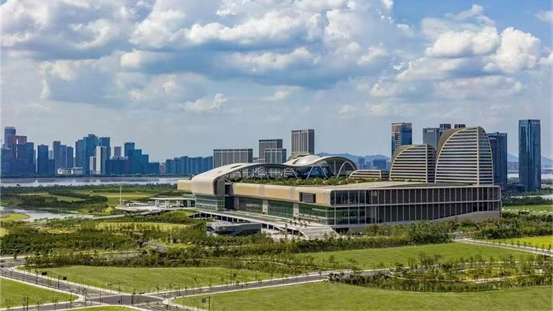
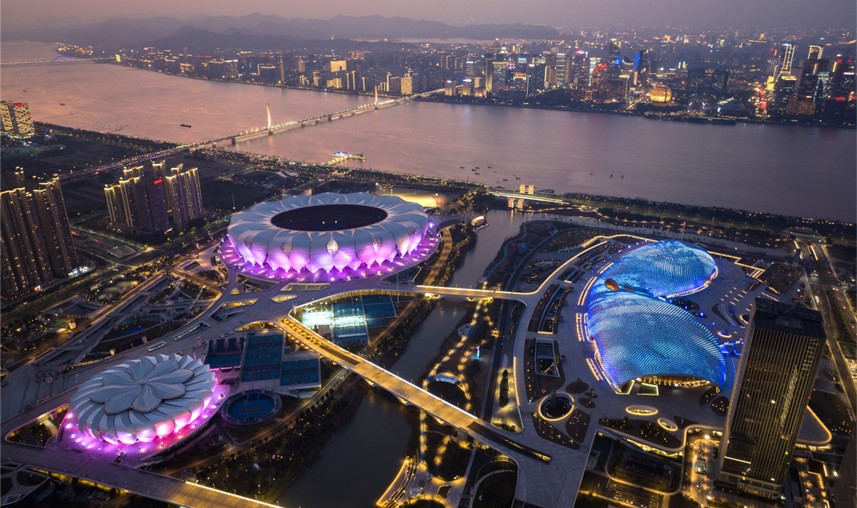
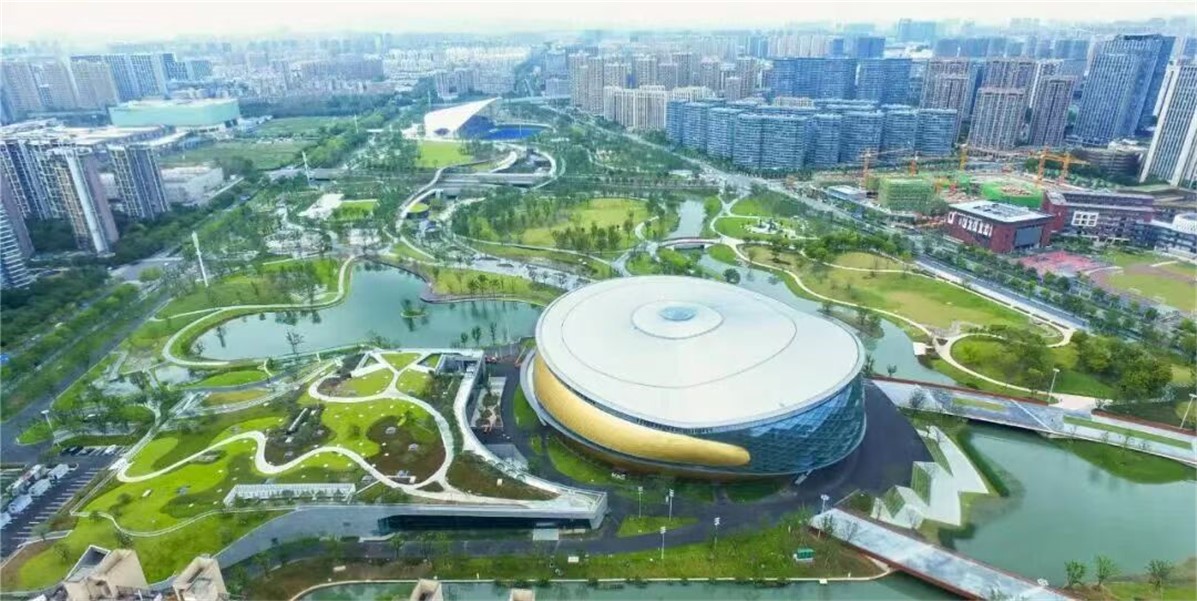
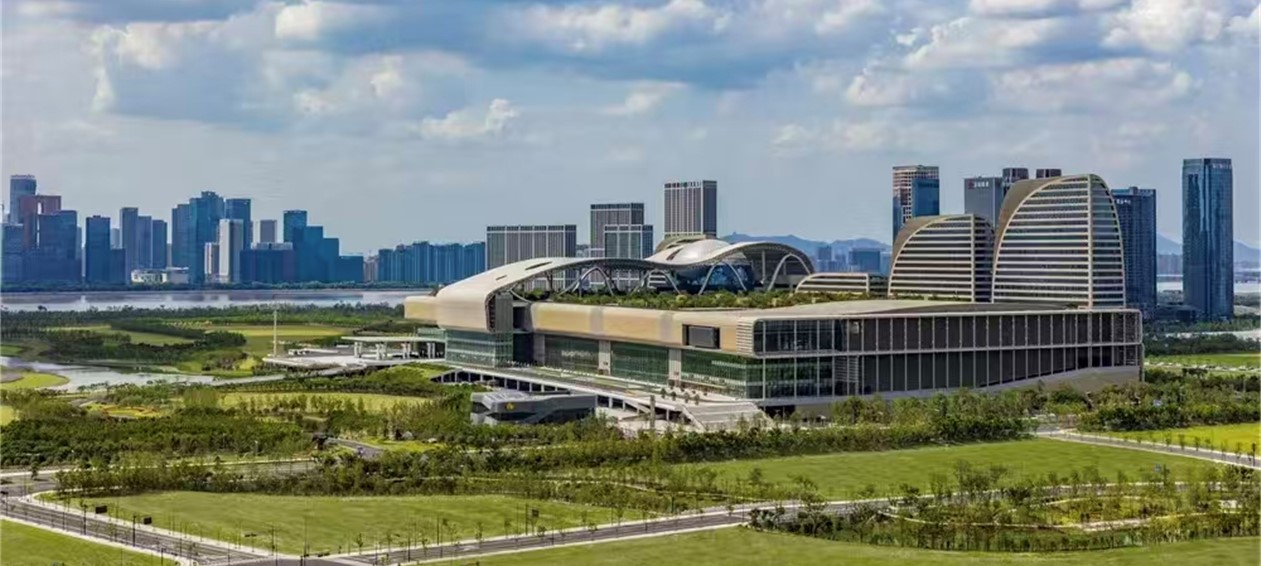
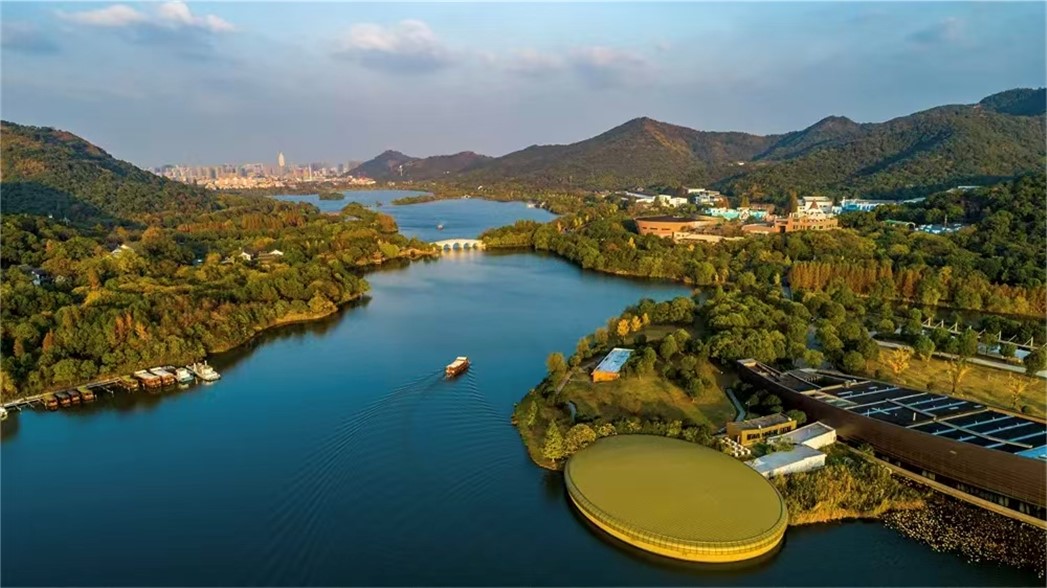
The Hangzhou International Expo Center is located in Qianjiang Century City, Xiaoshan District, Hangzhou. It served as the main venue for the 2016 G20 Hangzhou Summit, showcasing a design that blends elements of the Jiangnan watertown with modern architecture. With a total construction area of 850,000 square meters, it now functions as a large-scale MICE (Meetings, Incentives, Conferences, Exhibitions) complex and has successfully hosted numerous international events, including the Main Media Centre for the Hangzhou Asian Games.
The 5th WCBR (Sept 22-27, 2025)
Hangzhou boasts a natural environment where mountains and waters blend harmoniously, rich in biodiversity. With a forest area of 1,651 million mu (approximately 1,1 million hectares) and a forest coverage rate of 65.33%, it has ranked first in forest coverage among all provincial capitals and sub-provincial cities in China for many consecutive years. Hangzhou boasts exceptionally rich wetland resources, where five distinct water systems – rivers, canals, lakes, marine coasts, and streams – interact to create 1,343 square kilometers of magnificent wetlands.
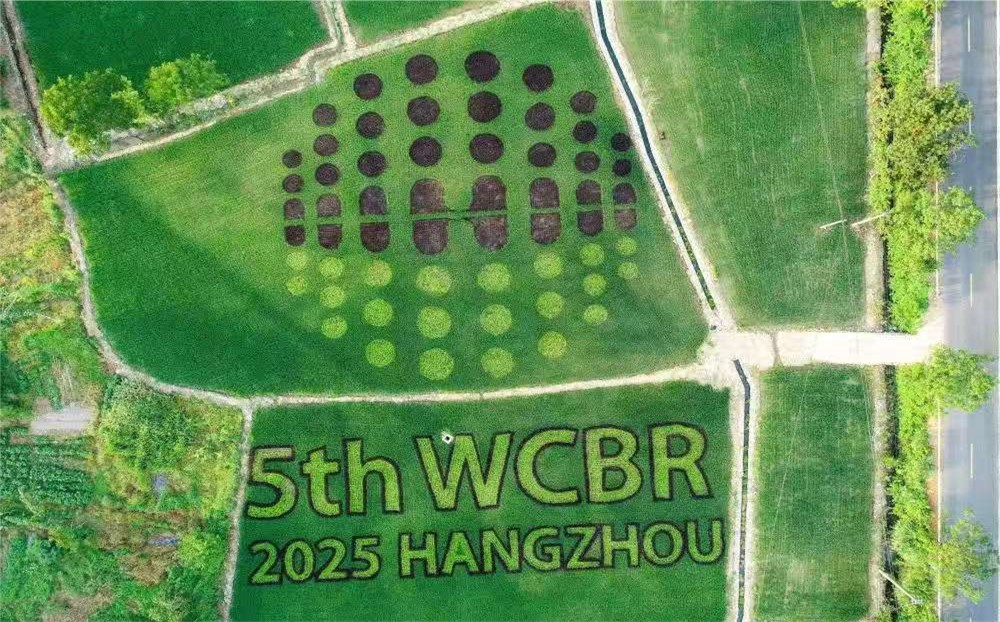
The 5th World UNESCO Congress of Biosphere Reserves (WCBR) was held in Hangzhou, the first time in Asia. The event brought together over 2,000 delegates from over 150 countries.
Qiandao Lake (Thousand Island Lake)
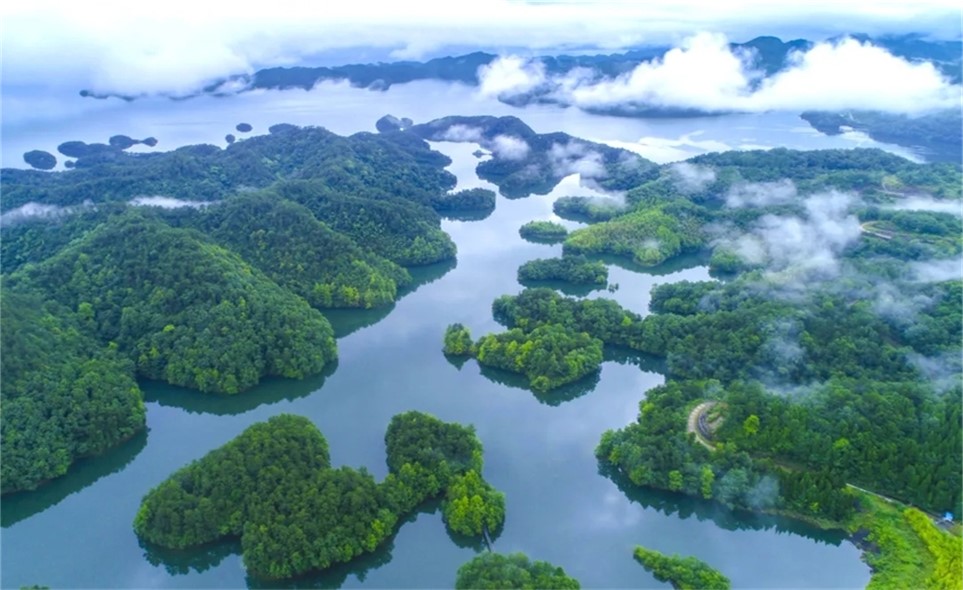
Qiandao Lake is a vast man-made reservoir famed for its unparalleled water quality and stunning scenery. Its name comes from the 1,078 emerald-green islands that dot its surface. A renowned tourist destination and a protected drinking water source, it offers activities like island hopping, exploring underwater ancient towns, and savoring its famous organic fish head cuisine.
West Lake (World Heritage Site)
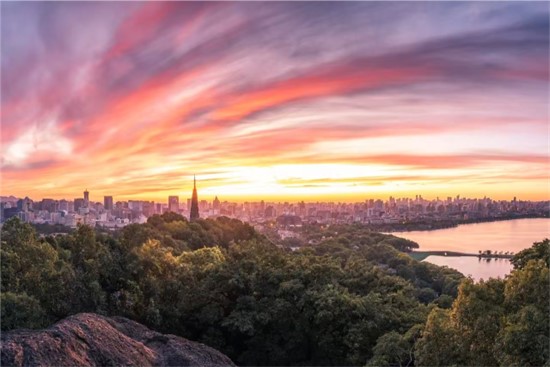
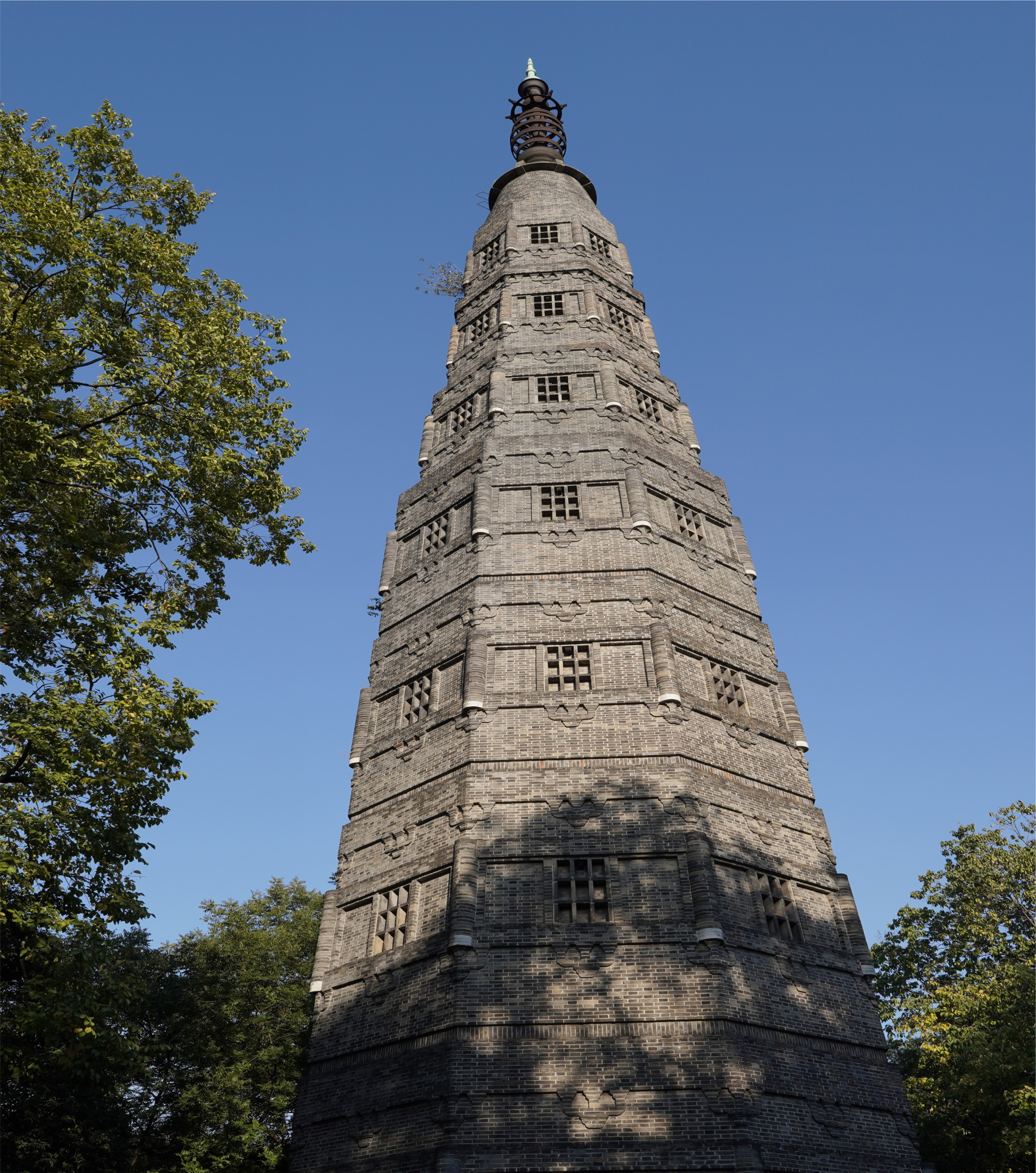
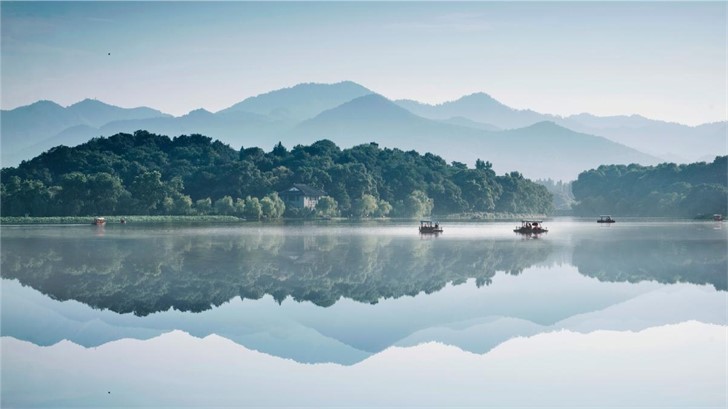
Nestled in the heart of Hangzhou, West Lake is a UNESCO World Heritage site that embodies China’s classical beauty, where serene waters mirror willows, ancient pagodas, and misty hills. Its “Ten Poetic Scenes” have inspired painters and poets for centuries, blending human ingenuity with nature’s grace in perfect harmony. From the legendary Leifeng Pagoda to the tranquil islands, every corner whispers tales of romance, spirituality, and imperial heritage. Today, this living cultural landscape continues to captivate global travellers, offering a timeless escape into the soul of oriental aesthetics.
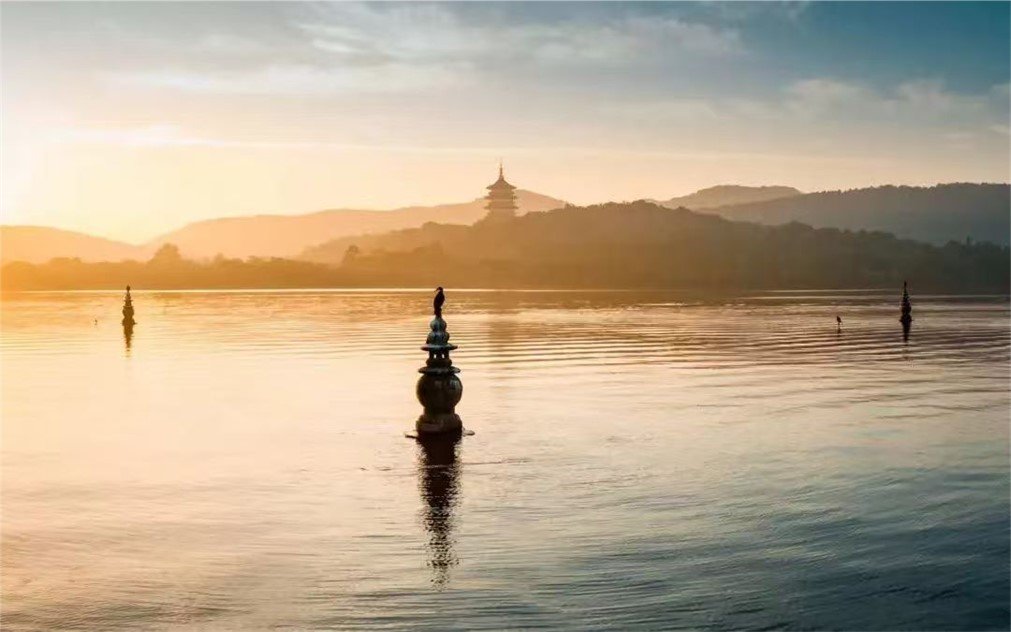
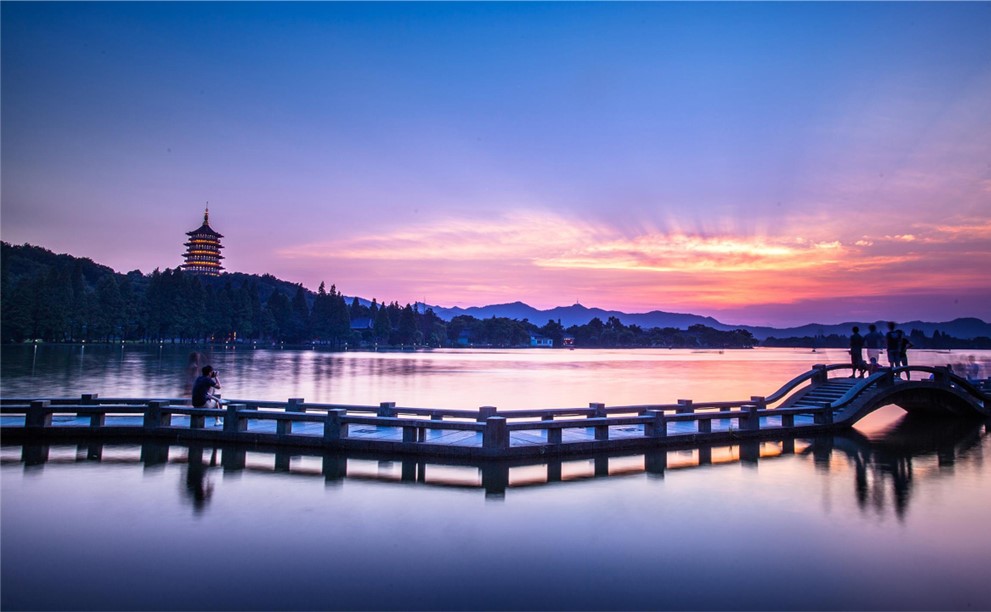
Leifeng Pagoda, located by West Lake, was first built in 977 AD. It gained legendary status through the classic folk tale Legend of the White Snake. The original pagoda collapsed in 1924 and was reconstructed in 2002, blending traditional design with modern technology. It houses sacred Buddhist relics and offers panoramic lake views, standing as a cultural icon of Hangzhou’s millennia-old history.
Lingyin Temple
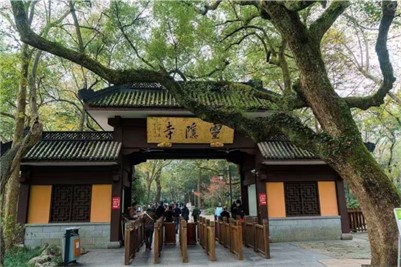
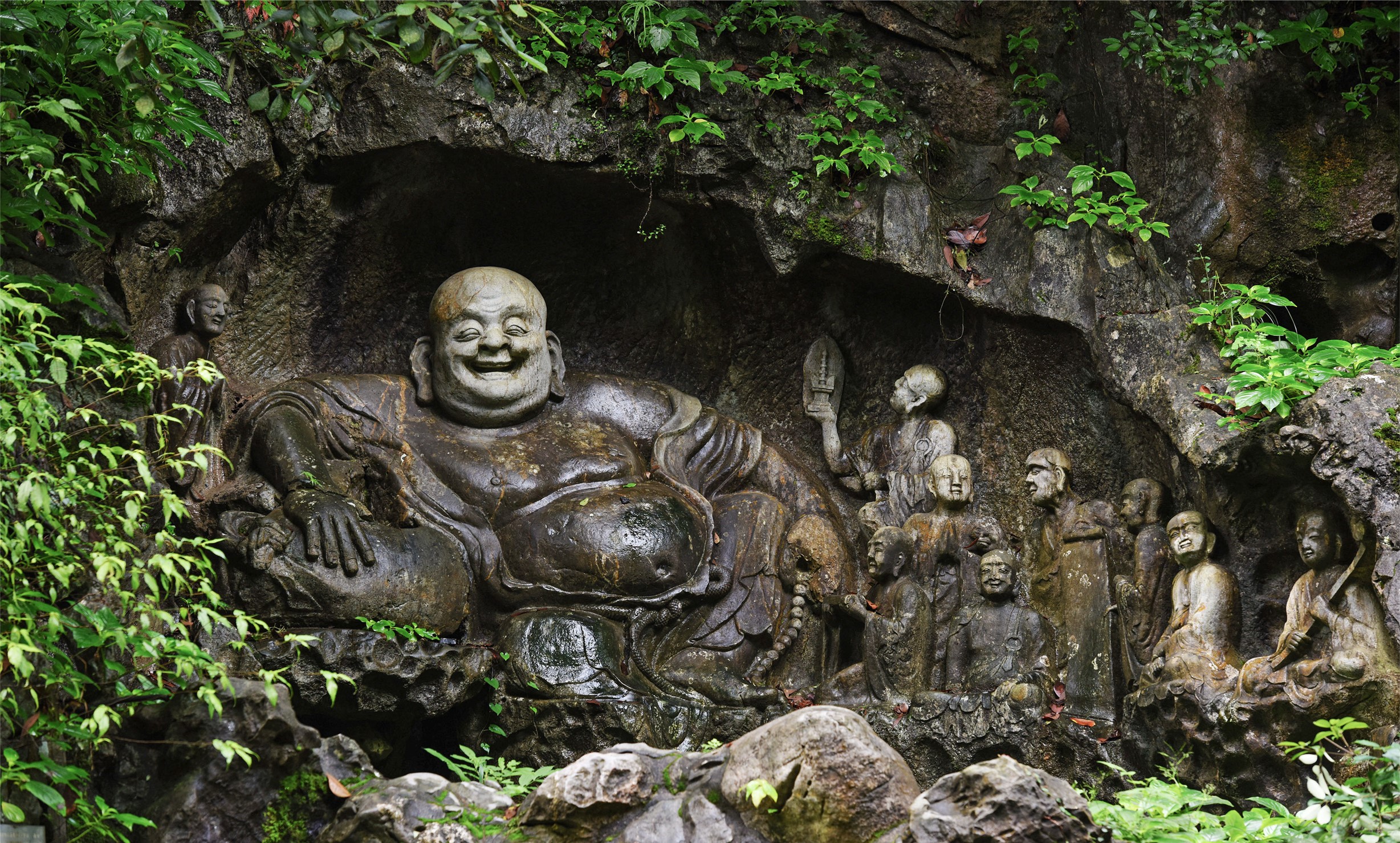
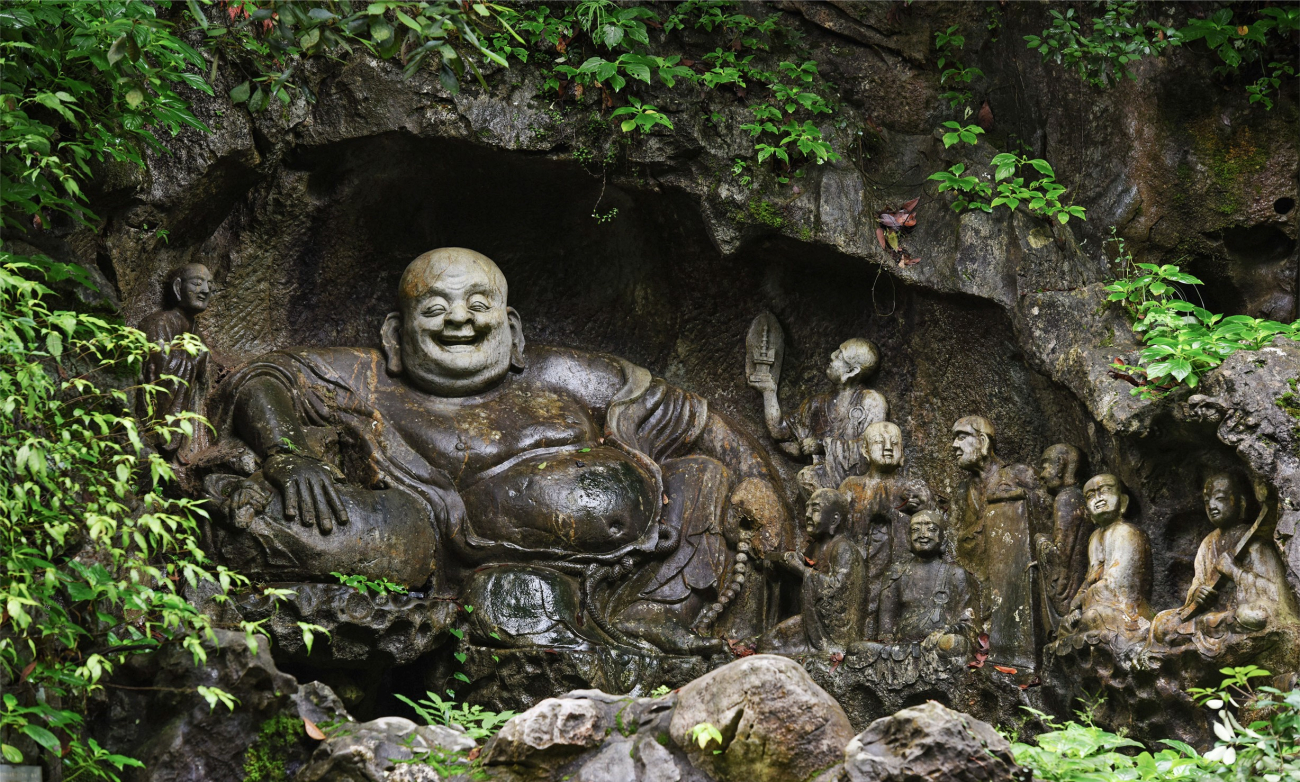
Nestled near West Lake, Lingyin Temple (“Temple of the Soul’s Retreat”) is a premier ancient Buddhist sanctuary founded in 328 AD. Renowned for its profound heritage and serene atmosphere, it features magnificent halls including the Great Mahavira Hall, which houses a breathtaking 24.8-meter-tall camphorwood statue of Maitreya Buddha. The adjacent Feilai Feng grottoes display hundreds of exquisite Buddhist carvings etched into limestone cliffs. More than a historical site, Lingyin Temple offers a peaceful retreat and a deep connection to Chinese spiritual traditions. This harmonious blend of nature, art, and sanctity makes it an unmissable cultural treasure in China.
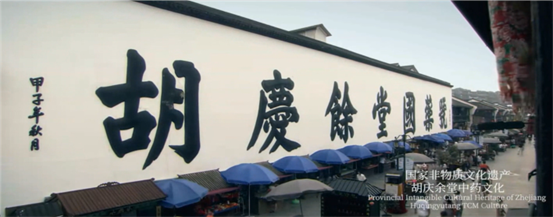
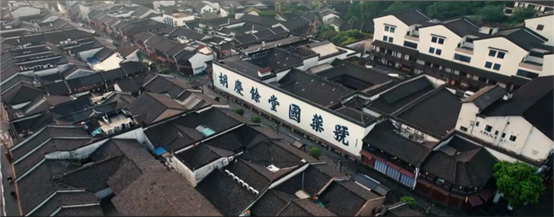
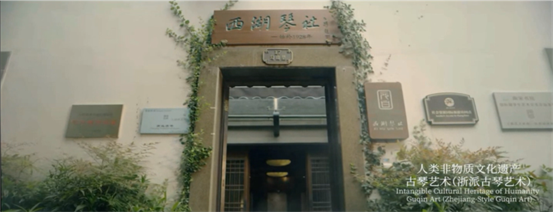
Hangzhou traditional crafts
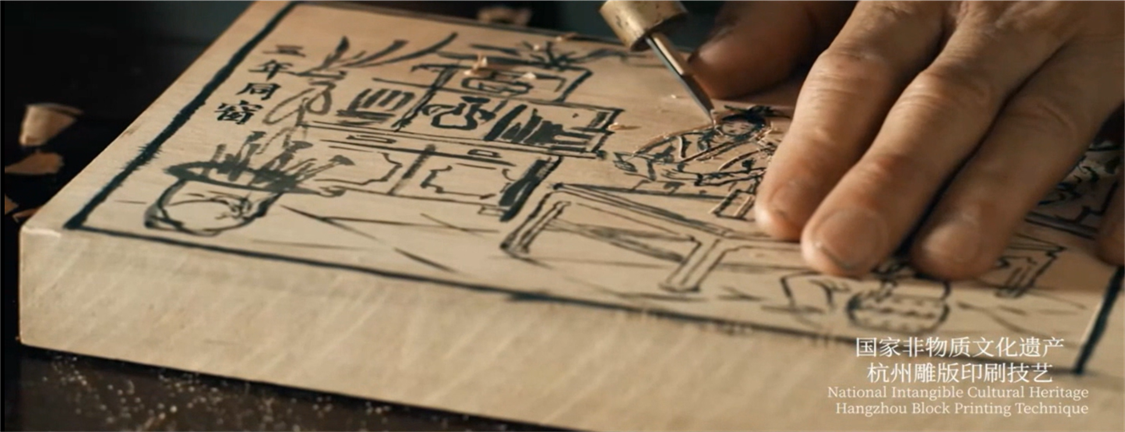
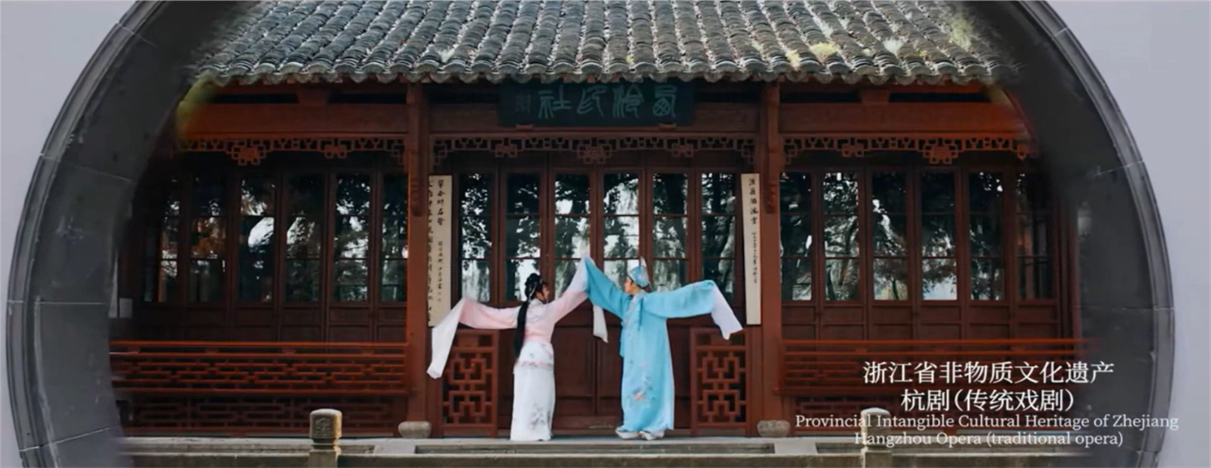
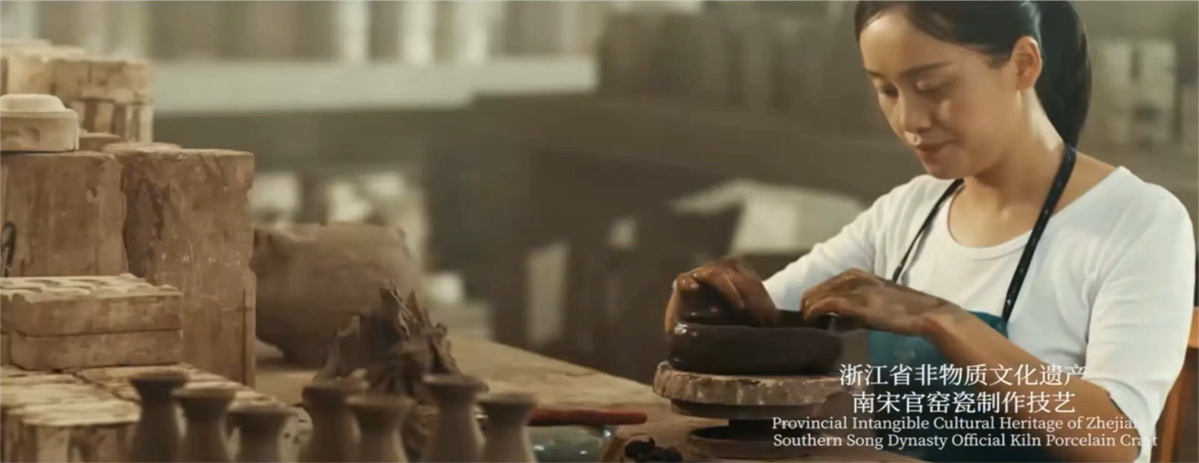
Hangzhou food
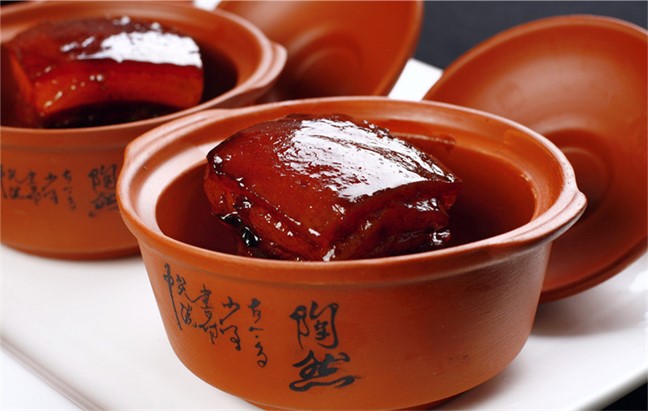
Dongpo Pork is a celebrated Chinese dish named after the legendary Song Dynasty poet and gourmet, Su Dongpo. This iconic braised pork belly is renowned for its melt-in-your-mouth texture and beautiful layered appearance, with alternating layers of fat and lean meat. The cooking process involves slowly braising the pork in a mixture of soy sauce, rice wine, and aromatic spices for several hours until it becomes incredibly tender. The result is a beautifully caramel-colored dish that’s both savory and slightly sweet, literally falling apart at the touch of chopsticks. More than just a delicious meal, Dongpo Pork represents the perfect harmony of Chinese culinary artistry and cultural heritage, offering a genuine taste of historical gastronomy that has been enjoyed for nearly a millennium.
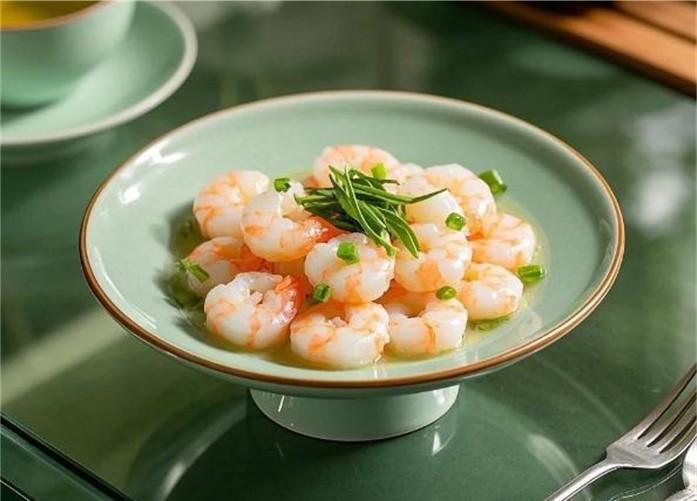
Fried Shrimps with Longjing Tea.This iconic Hangzhou dish beautifully combines fresh river shrimps with the premium aroma of Longjing tea. The tender shrimps are quickly stir-fried with soaked tea leaves, creating a refreshing and delicate flavor profile. Each bite carries the subtle fragrance of the tea, complementing the natural sweetness of the shrimps perfectly. Recognized as one of China’s classic dishes, it represents the essence of Hangzhou’s culinary tradition – simple yet sophisticated. This harmonious blend of land and lake captures the poetic elegance of Jiangnan cuisine, making it an unforgettable gastronomic experience that embodies the region’s cultural heritage.
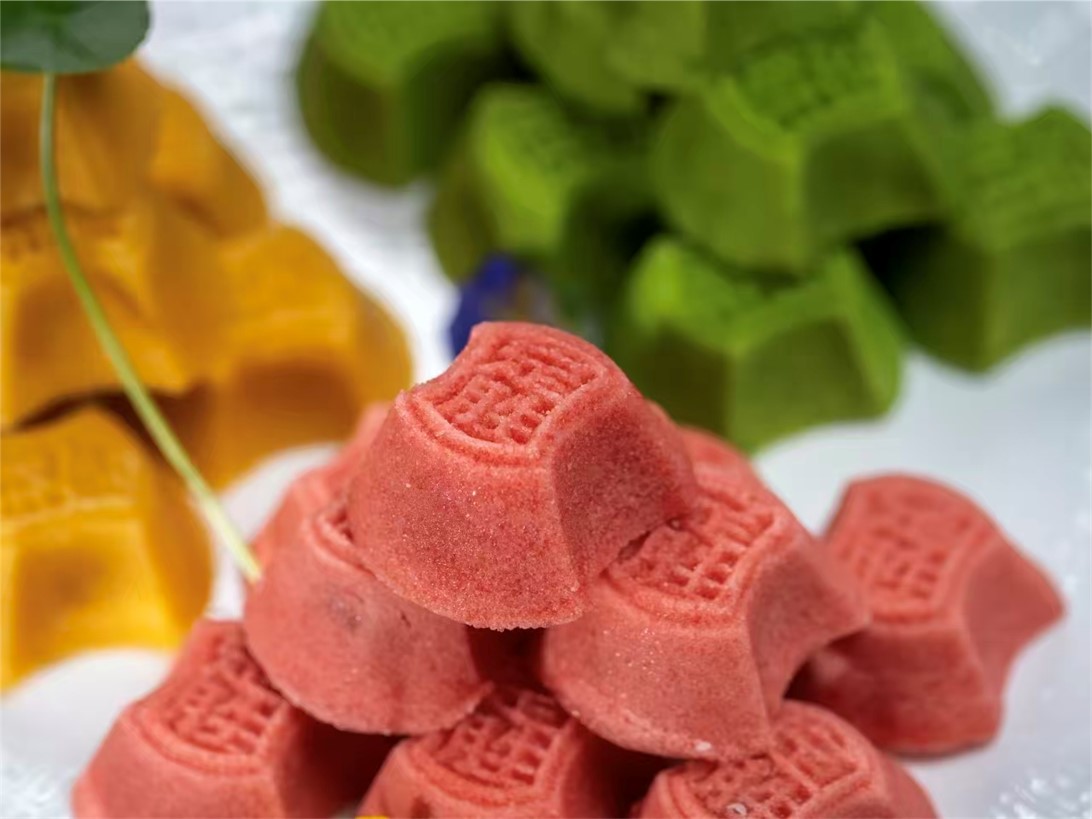
Hangzhou Dingsheng Cake or Cake of Victory and Blessing is a beloved Hangzhou snack, Dingsheng Cake is a vibrant pink, cone-shaped rice cake steamed to a soft, slightly chewy texture. Its name, meaning “Sure Victory Cake,” is steeped in legend, often linked to stories of scholars succeeding in imperial exams or soldiers winning battles. Made from glutinous rice flour, sweet red bean paste, and a hint of osmanthus flower, it embodies a perfect balance of subtle sweetness and fragrant aroma. More than just a treat, it’s a powerful symbol of good luck and success. Today, people still enjoy it and gift it to wish for triumph in exams, new jobs, or any important endeavor.
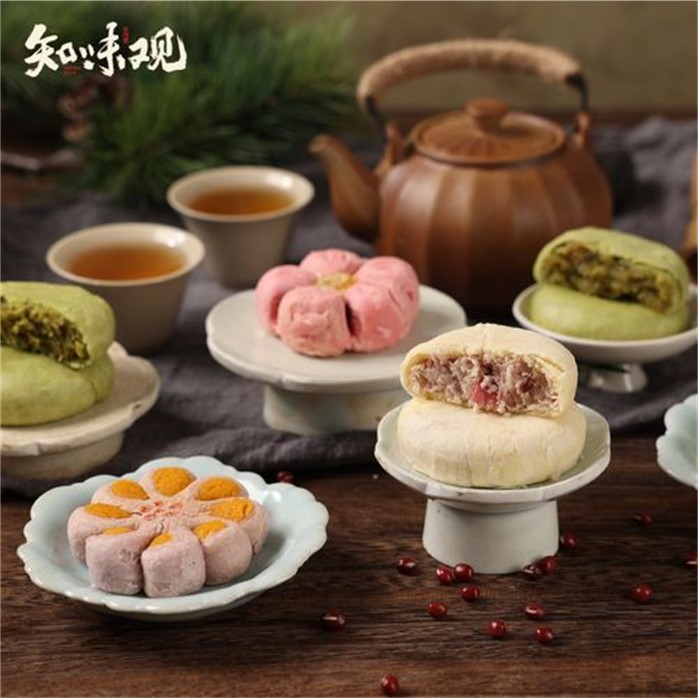
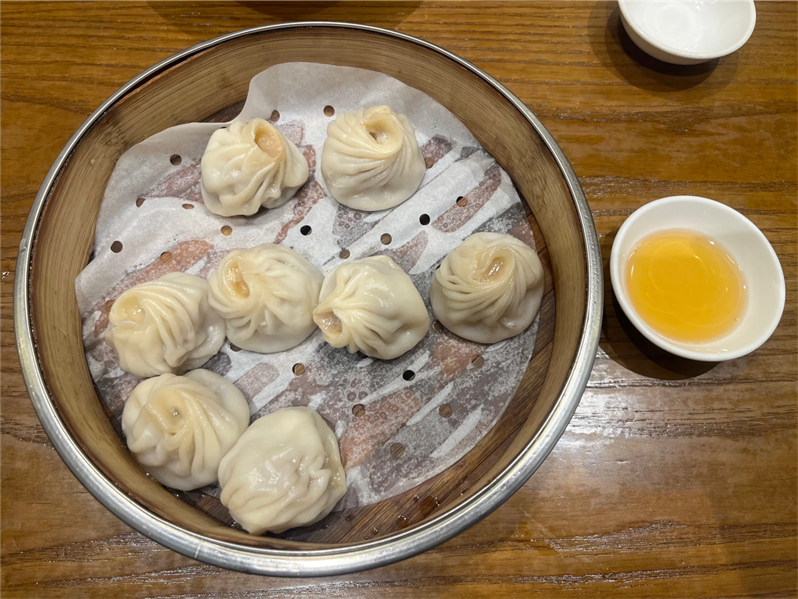
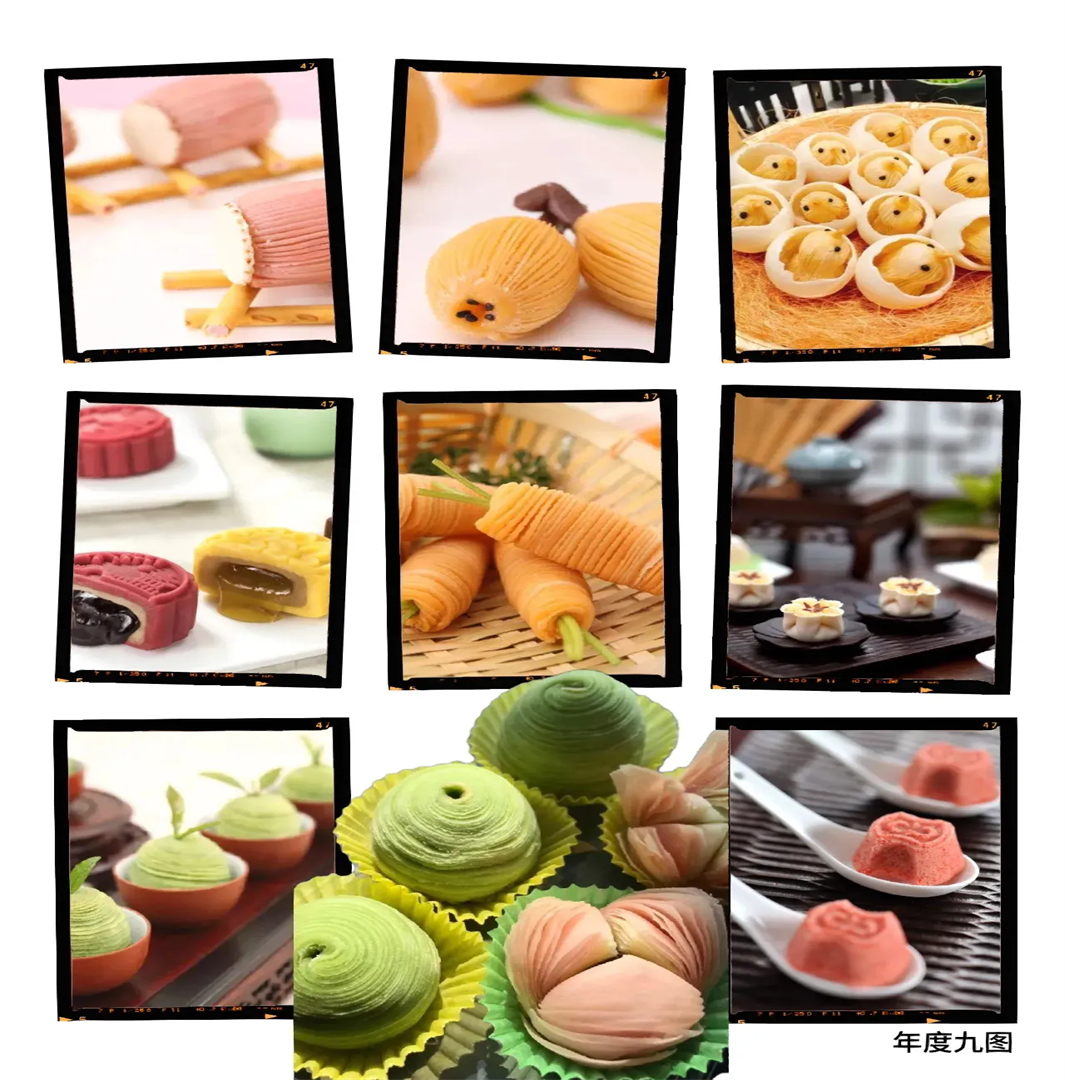
Zhiweiguan Snacks. Founded in 1913, Zhiweiguan is a century-old, time-honored Chinese brand in Hangzhou, renowned for its traditional Hangzhou-style pastries and dim sum. Its name, inspired by the ancient text Book of Rites, means “to know the flavor,” promising an authentic culinary experience.Among its nearly 100 varieties of dim sum, the flagship Zhiwei Xiaolongbao (steamed soup dumplings) stand out for their thin, delicate skin and flavorful, brothy filling. Many of its traditional (dim sum making techniques) are recognized as provincial intangible cultural heritage.
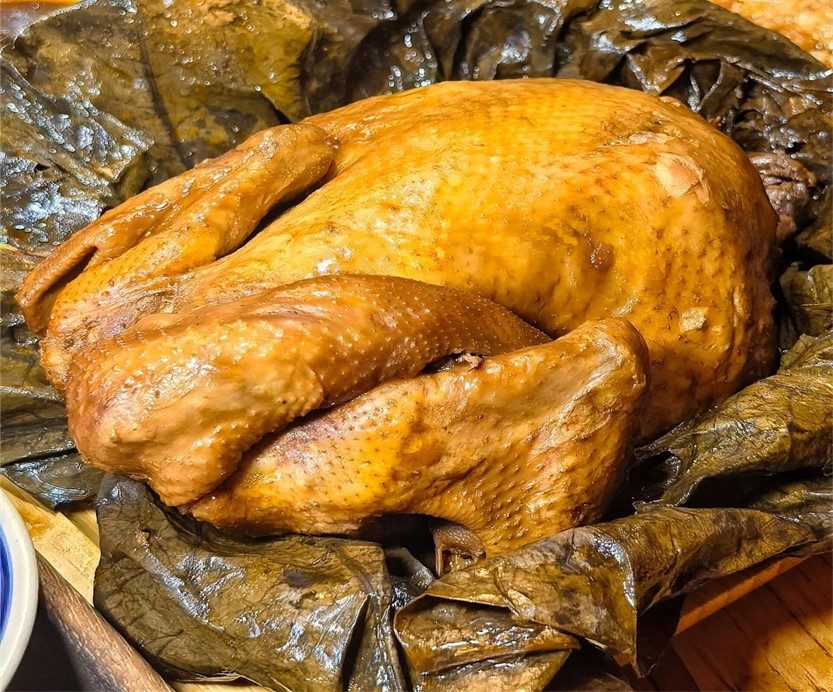
Beggar Chicken, also called “Wealth Chicken”, is a Hangzhou classic. Legend says a beggar invented it by mud-baking a stolen chicken. Now we stuff tender chicken with herbs, wrap it in lotus leaves and clay, then slow-roast it. Cracking open the clay releases an aromatic steam, revealing fall-off-the-bone tender meat – a true culinary legend.
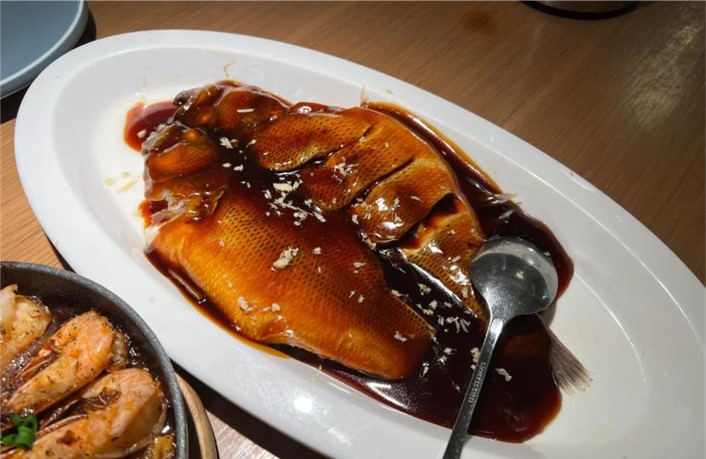
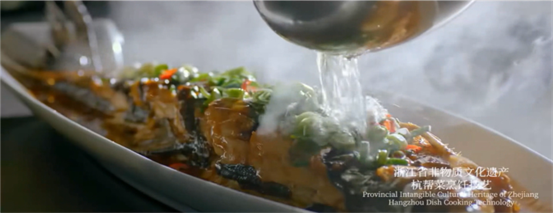
West Lake Fish in Vinegar Gravy is a classic Hangzhou dish. Fresh grass carp is starved for two days to purify its flavor, then poached and served with a glossy sweet-vinegar sauce. The fish remains tender and flaky, balanced by the tangy sauce. This delicate preparation embodies the refined taste of Jiangnan cuisine, making it an essential culinary experience by the West Lake.